
What is an SEN Teaching Assistant?
A Special Educational Needs Teaching Assistant (SEN teaching assistant) is an educational professional who assists learners with special needs, in institutions like schools, colleges and specialist institutions. These needs can be learning problems, physical disabilities, emotional and behavioural problems, or communication disorders. This position focuses on enabling learners to reach the learning programme, build self-esteem and realise their potential.
A special educational needs teaching assistant collaborates with teachers, SENCOs (Special Educational Needs Coordinators) and other support staff to make sure that the learners obtain personalised support. Academic support is not the only task that this role entails; it also includes emotional support, fostering self-sufficiency, and helping learners socialise.
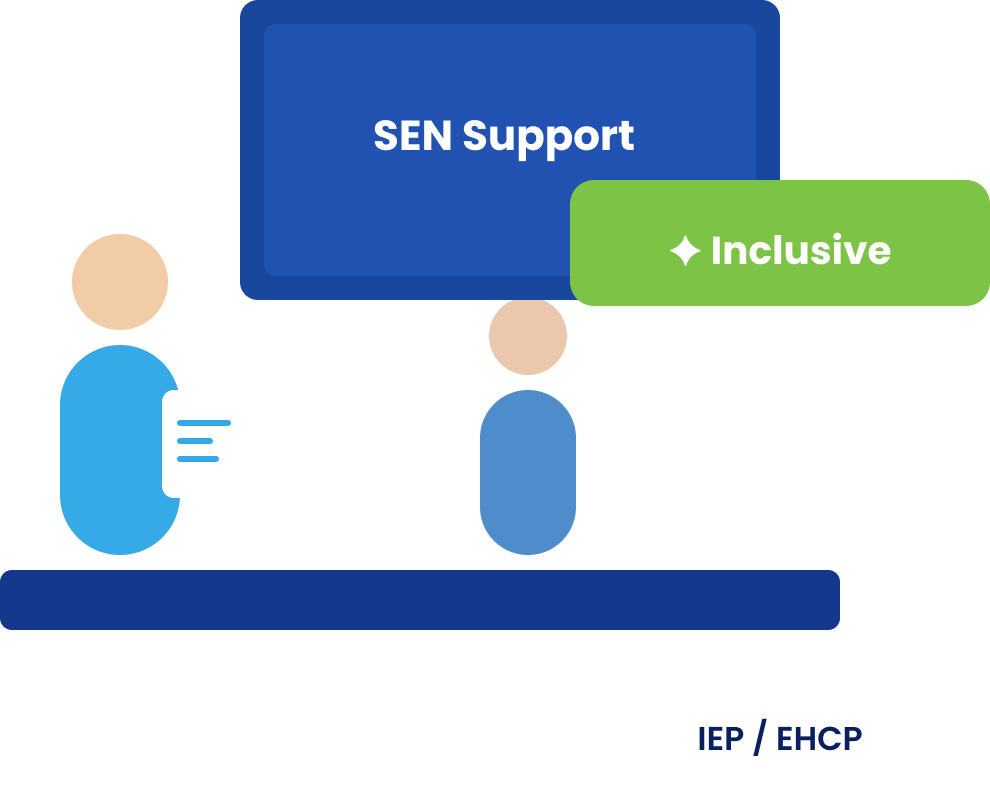
Understanding the SEND TA Role in the UK
SEN TA role UK is a vital component of the education system, especially in an inclusive classroom where students with various needs are nurtured alongside their peers. SEND is an abbreviation meaning Special Educational Needs and Disabilities and a teaching assistant in this field is given training on a wide range of conditions and learning needs.
The role of SEN teaching assistants in the UK is significant in the process of implementing the Individual Education Plan (IEP) and Education, Health and Care Plan (EHCP). They help in ensuring that the instructional plans are adjusted to accommodate all the learners, and learning becomes more accessible and effective. Their activities have a direct contribution to enhancing education outcomes and inclusion in education.

Daily Duties of an SEN Teaching Assistant
SEN teaching assistant roles may be different daily depending on the needs of the learners and the school environment. The role however usually includes supporting teachers in a personalised manner, helping them and making sure that learners are kept engaged and supported throughout the school day.
SEN teaching assistants should be adaptable and receptive because every day has the potential to bring about new challenges. They tend to collaborate closely with individual learners or small groups and change their approach, depending on particular needs and learning styles.

Providing One-to-One and Small Group Support
Among the major roles of a SEN teaching assistant is to offer specific assistance to learners either one to one or in small groups. This will allow individualised attention and will be better in overcoming some of the learning issues.
With this kind of support, learners can be confident and acquire all the required skills at their pace. It also enables teaching assistants to monitor the progress easily with instant feedback.
Assisting with Classroom Activities and Behaviour Management
The role played by SEN teaching assistants is important in supporting classroom practices and encouraging a healthy learning environment. They assist in behaviour management through the use of proper strategies depending on the needs of each person.
They help to create an organised and supportive environment by strengthening classroom rules and promoting positive behaviour. This assists learners to remain concentrated and interested in learning.
Adapting Learning Materials for Different Needs
Changing learning resources to various capabilities and learning styles is also another important role. It may be done through simplifying instructions, using visual aids or assistive technology.
With the adaptation of resources, all learners will have access to the curriculum. It also fosters inclusive education because it eradicates learning barriers.
Essential Skills for SEN Teaching Assistants
Individuals aspiring to succeed as special educational needs teaching assistants have to acquire various practical and interpersonal skills. These are the skills that help them to assist learners and address various issues in the classroom.
A good skill set not only enhances the quality of support given but also increases career advancement in the educational field.
Communication and Interpersonal Skills
Communication skills are vital when dealing with learners, teachers and parents. SEN teaching assistants should have the capacity to clarify concepts, be active listeners and establish positive rapport with learners.
Patience, Empathy, and Understanding
It takes patience and understanding to work with learners with other needs. Knowing personal difficulties can assist teaching assistants to offer relevant support and encouragement.
Behaviour Support and Adaptability
SEN teaching assistants should be flexible and capable of meeting the evolving circumstances. They should adopt behaviour management techniques and be calm and supportive.
SEN TA Qualifications and Training Requirements
The qualification of a SEN teaching assistant involves both formal and practical experiences. SEN TA qualifications have been created to ensure that an individual has the knowledge and skills necessary to support learners with additional needs.
Various routes to this career are established and can be used in the UK to assist someone in beginning and advancing their career.
Entry-Level Requirements for SEN Roles
The minimum level of qualification needed is usually basic levels of English and Maths, and a genuine interest in working with children or young people. Taking an interest or experience in a school setting can also prove to be very advantageous.
Most employers seek candidates with good interpersonal skills and those who are ready to learn. This makes entry into the profession accessible for those who are passionate about education and support work.
Relevant Teaching Assistant Qualifications (Level 2 & Level 3)
The qualifications are essential in shaping the skills required in the UK SEND TA job. The Level 2 Certificate in Supporting Teaching and Learning in Schools course will also offer a good background in classroom support.
Those who intend to progress further can take the Level 3 Award in Supporting Teaching and Learning in Schools which is more detailed in knowledge and prepares the individuals to handle more responsibility. Employers are well aware of these qualifications and appreciate them.
Additional SEND-Specific Training and Certifications
Besides the general teaching assistant requirements, specialised SEND training may also increase career opportunities. This might involve autism awareness courses, or behaviour management courses.
This training assists the teaching assistants to become more proficient in particular fields and therefore, more useful in working with learners with complex needs.
Career Pathways in Special Educational Needs Support
Working as a SEN teaching assistant provides a variety of career advancement opportunities in the education field. Experience and additional training allow people to advance to higher positions and take on more responsibilities.
The typical route of progression is into higher level roles by taking a qualification like the Level 4 Certificate in Higher Level Teaching Assistant (HLTA). The qualification allows learners to assume leadership roles and facilitate lesson planning, and may also lead classroom sessions under supervision.
Take the next step
Courses related to this guide
- Level 3 Award in Supporting Teaching and Learning in SchoolsOfqual-regulated qualification for teaching assistants, studied fully online.
- Level 4 Certificate for Higher Level Teaching Assistant (HLTA)For experienced teaching assistants moving towards HLTA-level work, studied 100% online.
Ofqual-regulated qualifications, studied online. Browse all courses or talk to an advisor.