
Becoming a mental health support worker in the UK doesn't require a nursing degree — it requires the right entry qualification, a clean DBS check, and a plan for building experience fast. This guide walks through the exact steps, the qualifications employers actually ask for, and where most applicants get stuck.
- A Level 2 qualification in care or mental health awareness is the fastest legal entry point into the role in 2026.
- NHS trusts, private hospitals and charities all require an enhanced DBS check before you start.
- No degree is required to become a mental health support worker — progression to nursing is a separate, later route.
- Mental Health First Aid training and a Level 2 Diploma in Care are the two credentials employers ask for most often.
Why this matters
Mental health support worker roles sit across NHS community teams, private psychiatric hospitals, residential care homes and charities such as those running crisis services. Demand for these roles has stayed high through 2026 as mental health caseloads climb faster than trained staff numbers. The barrier to entry isn't academic — it's proof that you understand safeguarding, risk, and basic care delivery before you're trusted with vulnerable adults.
That's why employers filter on qualifications and checks first, experience second. Skip the paperwork stage and you'll get rejected at the application form, regardless of how well-suited you are to the work.
What you'll need
- Age 18 or over — most trusts and care providers set this as a hard minimum for mental health settings
- An enhanced DBS check — mandatory before you have unsupervised contact with patients or service users
- A Level 2 qualification in care or mental health awareness — the Level 2 Award in Mental Health Awareness for Care Workers covers the baseline knowledge most job specs list
- Basic literacy and numeracy — Functional Skills Level 1 or 2 if you don't already hold GCSEs in English and maths
- Time — expect 4 to 12 weeks to complete entry-level training depending on the course and your study pace
- A CV that shows care, support or customer-facing experience — even informal caregiving counts
The steps
1. Confirm which setting you're aiming for
NHS trusts, private mental health hospitals, residential care homes, supported living services and charities all hire mental health support workers, but entry requirements shift slightly by setting. NHS roles typically expect completion of the Care Certificate within the first 12 weeks of employment; private and charity employers often ask for it before you apply. Decide on your target setting now — it changes which qualification you prioritise first.
Common mistake: applying broadly without checking whether the employer wants pre-employment training or trains you on the job. Read three or four job specs before you commit to a course.
2. Get your DBS check moving early
An enhanced DBS check with a barred list check is non-negotiable for anyone working with vulnerable adults. Processing typically runs a few weeks, and it's one of the biggest hold-ups candidates hit when a job offer is conditional on clearance. Apply as soon as you decide to pursue the role, not after you've been offered a position.
Common mistake: waiting until after interview to start the DBS process, which delays your start date by weeks.
3. Complete a Level 2 qualification in mental health or care
This is the credential most job adverts name directly. A Level 2 course covers mental health conditions, stigma, communication approaches and basic legislation such as the Mental Health Act framework — knowledge you'll use daily, not just for the interview. The Level 2 Award in Mental Health Awareness for Care Workers is built specifically around this entry point and studies online at your own pace.
Expected outcome: a recognised certificate you can list on job applications immediately after completion.
4. Add Mental Health First Aid or safeguarding training
Many employers now ask for Mental Health First Aid training alongside your core qualification, particularly in residential and care home settings where staff need to recognise and respond to crisis situations without waiting for a manager. The Mental Health First Aid training for care home staff course covers exactly this scenario and pairs well with a Level 2 award on your CV.
Common mistake: treating first aid training as optional extra rather than a screening requirement — several NHS and charity job specs list it as essential, not desirable.
5. Build a broader care foundation with a Level 2 Diploma
If you're coming into mental health support work with no prior care background, a Level 2 Diploma in Care rounds out the practical competencies employers expect: personal care, communication, health and safety, and safeguarding across a wider client group. It's broader than the mental health award alone and strengthens applications for roles that blend care and mental health support.
Expected outcome: a diploma-level credential that satisfies most Level 2 entry requirements in one qualification.
6. Get direct experience, even unpaid or part-time
Volunteering with a mental health charity, working as a healthcare assistant, or picking up bank shifts in a care home all count as relevant experience on your application. Recruiters weight direct exposure to vulnerable adults heavily — a few months of hands-on hours often outweighs a longer CV with no care contact at all.
Common mistake: assuming qualifications alone will get you hired. Most successful applicants pair a Level 2 award with at least some unpaid or shadowing experience.
7. Apply directly through NHS Jobs, charity boards and care provider sites
NHS mental health support worker vacancies post through NHS Jobs; private hospitals and charities list separately on their own career pages. Tailor your application to name the specific qualification and setting the job description asks for — generic applications get filtered out before a human reads them.
Expected outcome: interview invitations within a few weeks once your DBS, qualification and CV are aligned to the role.



8. Plan your progression once you're in post
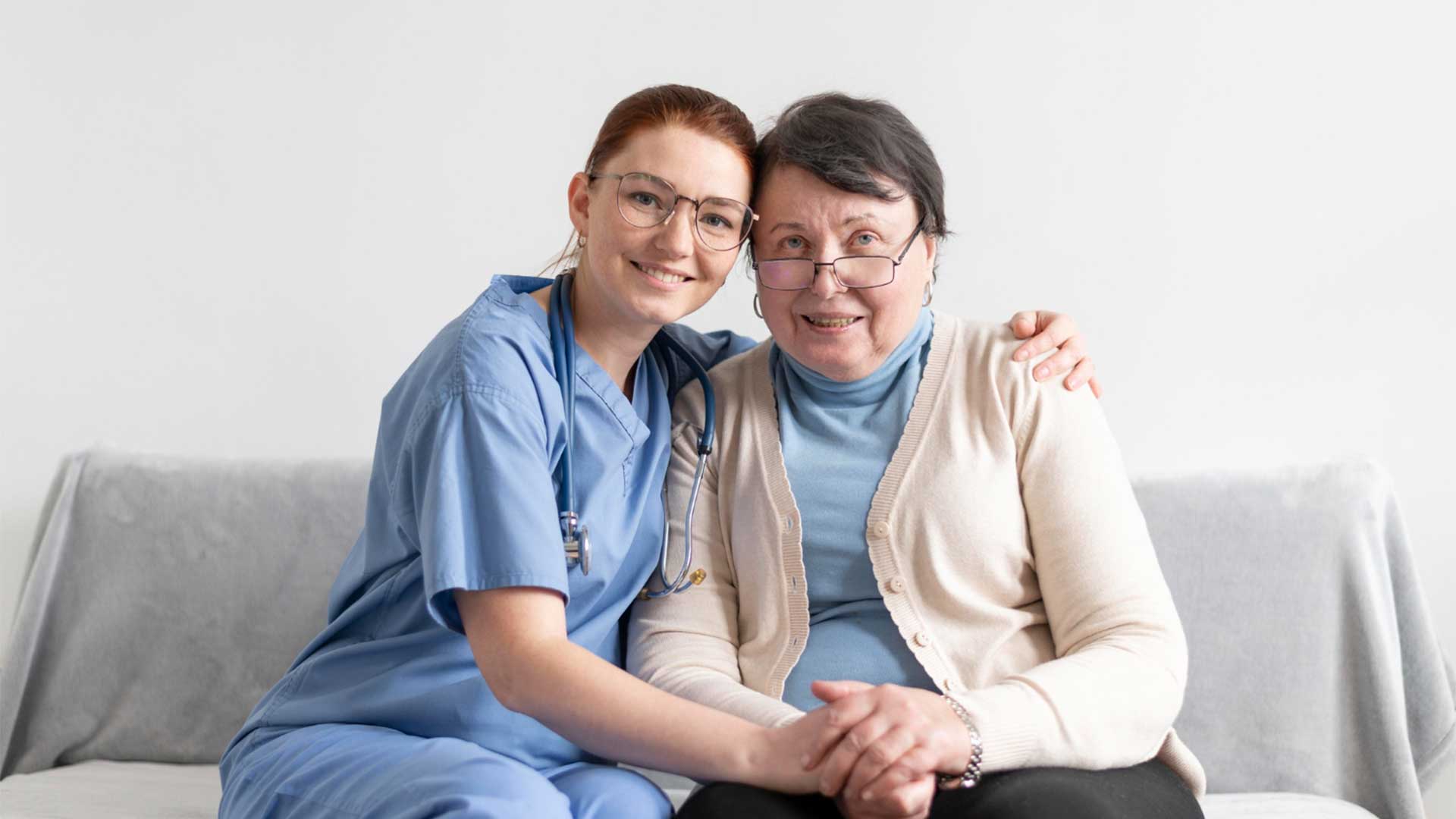
Once you're working as a mental health support worker, employers often fund or support further study — a Level 3 diploma, a counselling skills certificate, or specialist dementia and behaviour-support training depending on your caseload. Treat the first role as the foundation, not the ceiling.
Troubleshooting
"I don't have any care experience — will I get rejected?"
No, but you'll need to compensate with a completed Level 2 qualification and some volunteering or shadowing hours. Employers weight training and willingness over a long CV for entry-level roles.
"My DBS check is taking longer than expected."
Processing times vary by local police force and by how common your name is on record. Apply as early as possible in your job search rather than after an offer, and chase your provider if it runs past the typical few-week window.
"I'm confused about the difference between a support worker and a mental health nurse."
A mental health support worker delivers day-to-day care, monitoring and companionship under supervision; a mental health nurse holds a nursing degree, prescribes and leads clinical decisions. Support worker roles don't require a degree — that's the entry point most career-changers use.
"The course doesn't fit around my current job."
Online Level 2 courses are typically self-paced, so you study around shift patterns rather than fixed class times. Check the course format before enrolling if your schedule is tight.
"An employer asked for a qualification I don't have."
Don't apply blind — read the essential versus desirable criteria on the job spec. If Mental Health First Aid or a Level 2 Diploma in Care is listed as essential, complete it before applying rather than hoping it's overlooked.
"I want to specialise in dementia or learning disability support instead."
Mental health support work overlaps heavily with dementia and learning disability care. Building broader Level 2 care knowledge keeps that door open alongside the mental health-specific route.
Tools and resources
- Level 2 Award in Mental Health Awareness for Care Workers — core entry qualification
- Mental Health First Aid training for care home staff — crisis response training many employers list as essential
- Level 2 Diploma in Care — broader competency qualification for care and support settings
- NHS Jobs and individual charity career pages — where most vacancies are posted
- Enhanced DBS check application — required before unsupervised contact with service users
What to do next
Once your entry qualification and DBS check are sorted, the next logical step is a Level 3 course that builds your understanding of specific mental health conditions and treatment approaches, which strengthens both your practice and your case for promotion. It's worth planning that progression before you finish your first year in post rather than waiting until you feel stuck.
FAQ
Do you need a degree to become a mental health support worker?
No, a degree is not required to become a mental health support worker in 2026. Most employers ask for a Level 2 qualification in care or mental health awareness plus an enhanced DBS check, with degree-level study reserved for progression into mental health nursing later on.
What qualifications do you need for a mental health support worker role?
Most employers expect a Level 2 qualification such as the Level 2 Award in Mental Health Awareness or a Level 2 Diploma in Care, alongside an enhanced DBS check. Mental Health First Aid training is increasingly listed as essential rather than desirable.
How long does it take to become a mental health support worker?
Entry-level Level 2 training typically takes 4 to 12 weeks to complete online, depending on the course and your study pace. Add a few weeks for DBS processing before you can start unsupervised work.
Is mental health support work the same as being a mental health nurse?
No. A mental health support worker provides day-to-day care and monitoring under supervision without a nursing degree, while a mental health nurse holds a nursing qualification and makes clinical decisions. Support worker roles are the common entry route for career-changers in 2026.
Can you become a mental health support worker with no experience?
Yes, but you’ll need to complete a Level 2 qualification and ideally add some volunteering or shadowing hours to strengthen your application. Employers prioritise training and willingness for entry-level roles over a long work history.
Do mental health support workers need an enhanced DBS check?
Yes, an enhanced DBS check with a barred list check is mandatory before working unsupervised with vulnerable adults in any mental health setting. Apply as early as possible since processing can take several weeks.
What’s the difference between a Level 2 and Level 3 route into mental health support work?
A Level 2 qualification covers the entry-level knowledge most job specs require to apply, while Level 3 study builds deeper understanding of specific conditions and supports progression into senior or specialist roles. Most people start at Level 2 and add Level 3 study once employed.
Where do mental health support workers typically work?
Mental health support workers work in NHS community mental health teams, private psychiatric hospitals, residential care homes and charities running crisis or supported living services. Entry requirements vary slightly by setting, so check the job spec before applying.
One last thing
The fastest route into this role in 2026 isn't the most qualifications — it's the right two: a Level 2 mental health or care award plus a cleared enhanced DBS check, submitted together in one application rather than staggered across months. Candidates who complete both before applying consistently move to interview faster than those who apply first and scramble to catch up on paperwork afterward.
Related guides
Take the next step
Courses related to this guide
- Level 2 Diploma in CareFor care workers building their qualifications in adult care.
- Level 3 Diploma in Adult CareFor experienced care workers stepping up in adult social care.
Ofqual-regulated qualifications, studied online. Browse all courses or talk to an advisor.